History of Okemah
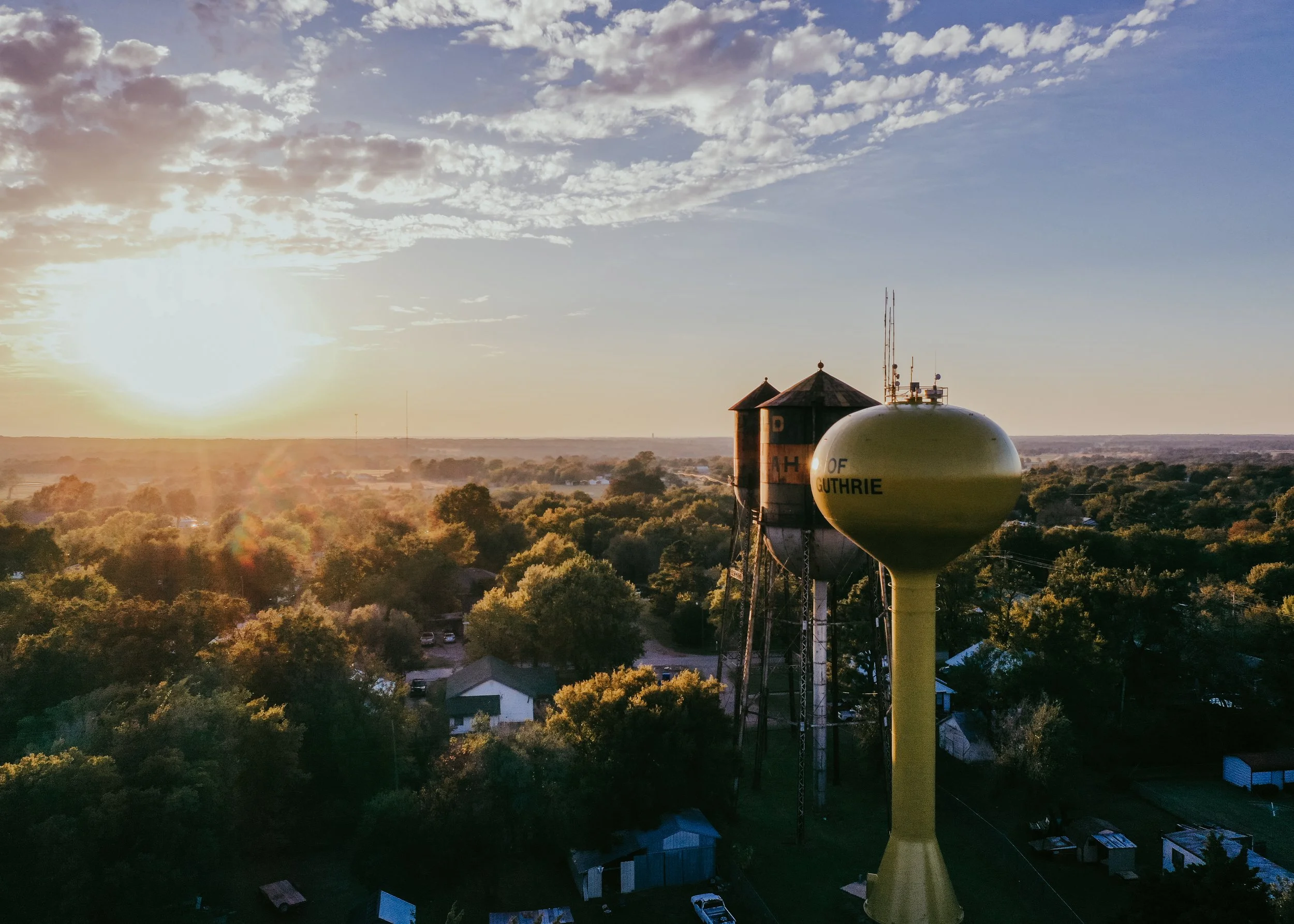
Long before European settlers arrived, the land that would become Okemah was home to the Osage and Quapaw peoples. After the Removal era in the 1830s, it was designated to the Muscogee (Creek) Nation, more specifically to the Thlopthlocco Tribal Town.
In 1902 Chief Okemah of the Kickapoo tribe built a traditional bark house in anticipation of the opening of a new townsite. The town was officially named Okemah on April 22, 1902, a name derived from the Kickapoo language meaning “things up high” — like a highly regarded person or a settlement on elevated ground. A post office opened there on May 16, and Okemah was incorporated in 1903.
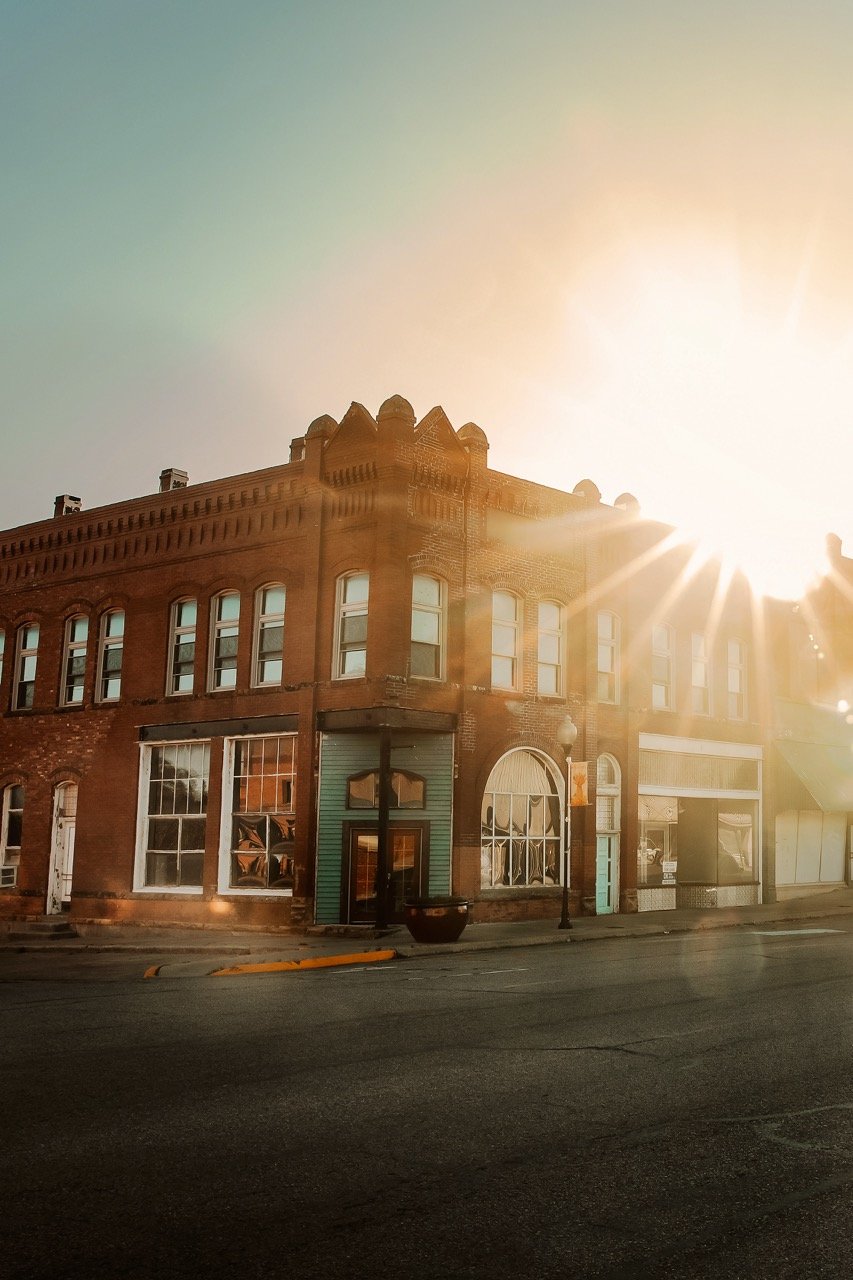
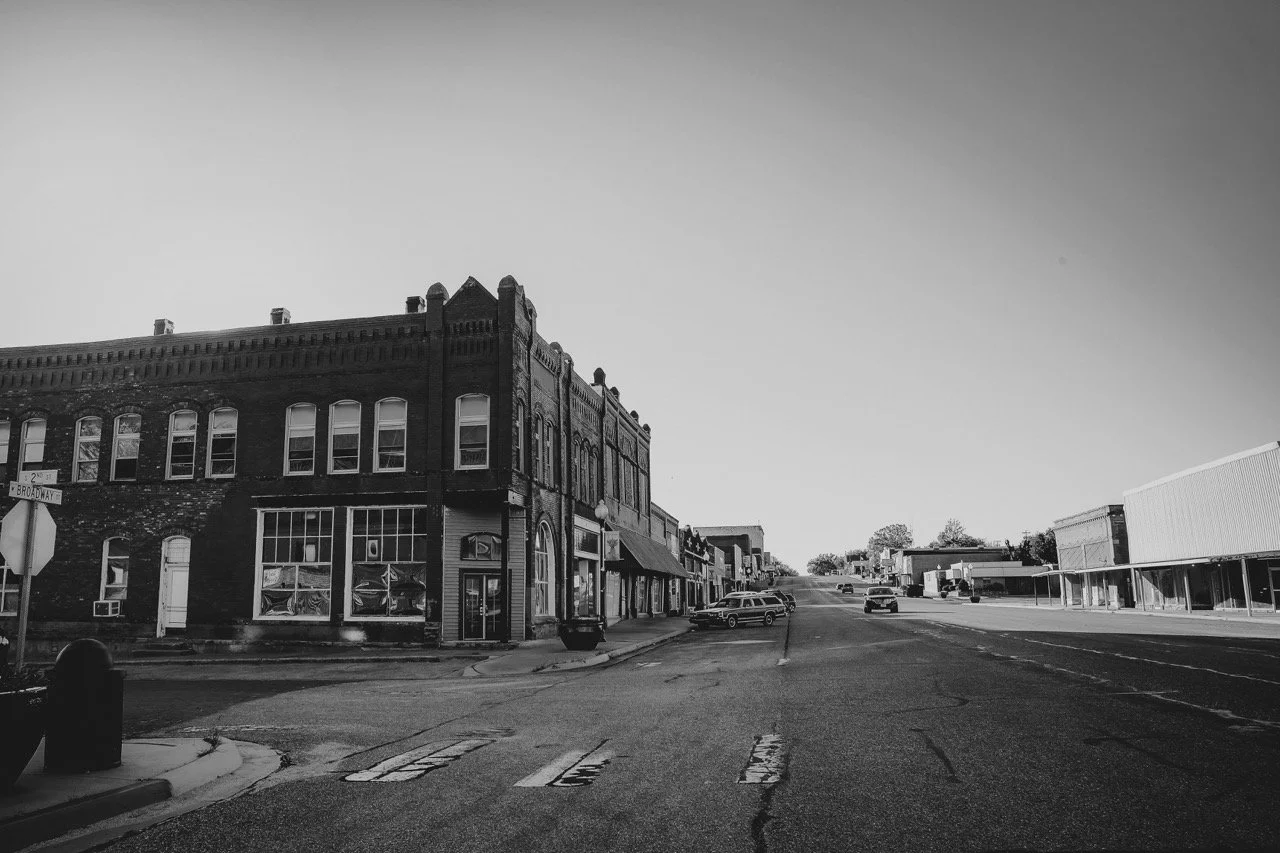
During its first week of existence, Okemah was booming: it boasted multiple general stores, hardware shops, drugstores, groceries, lumberyards, blacksmith shops, and even two hotels, including the impressive three-story Broadway Hotel. When Oklahoma achieved statehood in 1907, Okfuskee County was formed, and soon after, Okemah was selected by vote as the county seat.
However, Okemah’s history also includes painful chapters. On May 25, 1911, Laura Nelson and her son L. D., both African-American, were lynched just outside the city. They had been taken from the county jail by nearly 40 white men, then hanged from a bridge over the North Canadian River. This atrocity was documented, made into a postcard, and remains a dark stain on the community's past. A grand jury was convened, but the perpetrators were never identified.
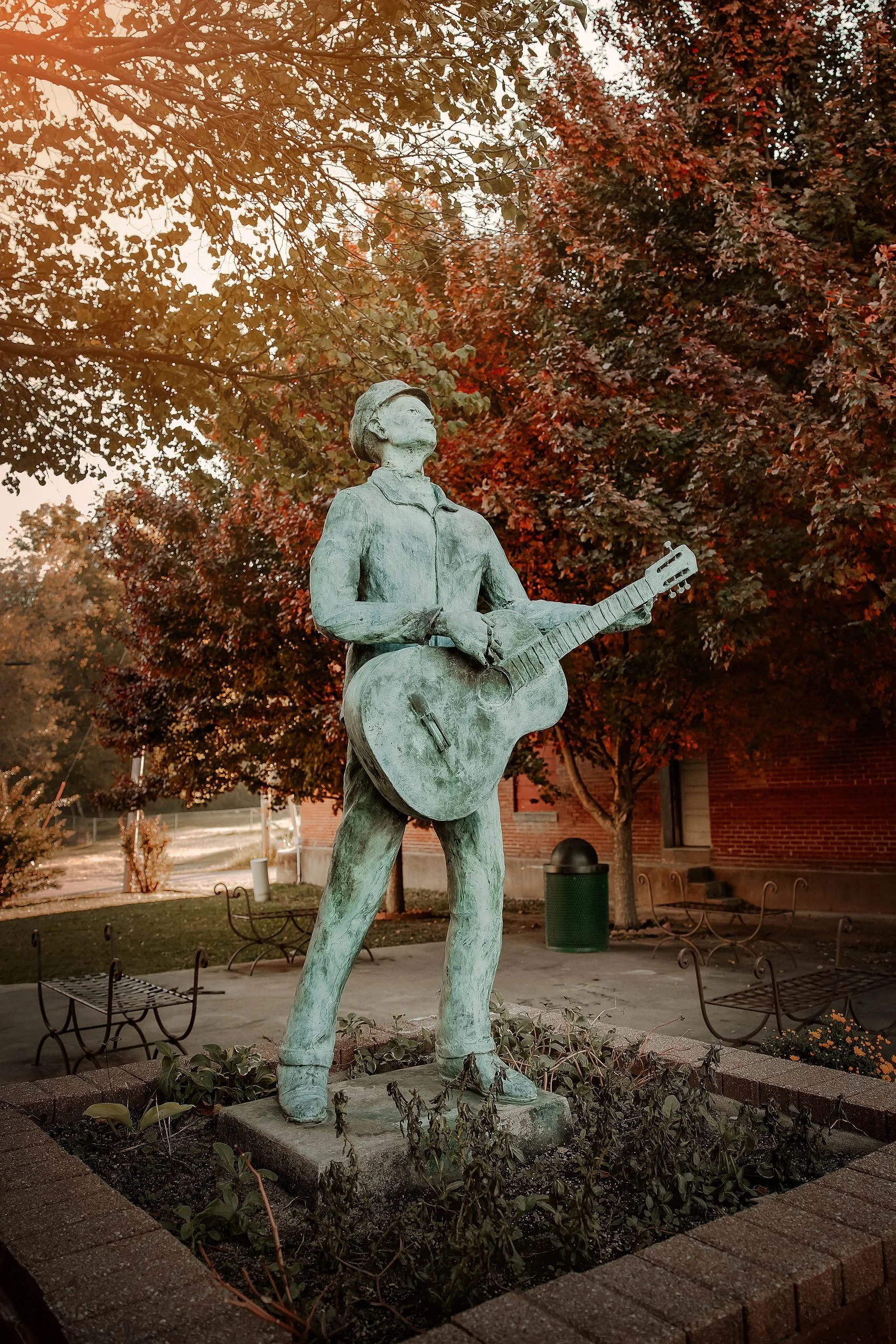
A year later, on July 14, 1912, Woodrow “Woody” Guthrie was born in Okemah. Guthrie would grow up to become one of America’s most influential singer-songwriters, using his music to speak out on themes like social justice and equality. Studies in his style and impact have influenced countless artists. Each year, on his birthday, Okemah hosts the Woody Guthrie Folk Festival, affectionately known as WoodyFest. In honor of Guthrie, a bronze statue of him (with his famous inscription, “This machine kills fascists,” on the guitar) stands in the heart of downtown.
Today, Okemah is a vibrant town of over 3,000 people. It offers a mix of nature and culture: festivals, farmer’s markets, opportunities for swimming, fishing, boating, camping, a nine-hole golf course, cozy restaurants, live music venues, and more.